
High petrol prices and living costs, plus the possibility of increased mortgage rates, will be a drag on spending and weigh on disposable income, Westpac’s latest economic forecast predicts.
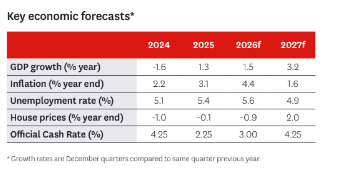
In Westpac's May 2026 Economic Overview chief economist Kelly Eckhold says, while they don’t expect a recession at the moment, conflict in the Middle East would pause New Zealand’s economic recovery, leading to another year of positive, but sub-par growth of 1.5% over 2026 and unemployment rising to 5.6%.
“Real petrol and diesel prices are now at 50 year highs, and while global oil prices are not at record highs in real terms, they are at levels consistent with past global recessions,” Eckhold says.
“A significant cost squeeze is in train that will pressure firms’ margins but also significantly lift inflation. Annual headline Consumers Price Index inflation will move into the 4% to 5% range for a time and lift inflation expectations to some extent. Core inflation looks set to rise above the top of the Reserve Bank’s target range and require the Official Cash Rate to rise towards 3% in 2026, and higher through 2027.”
While the future of the Middle East conflict was uncertain, Westpac assumed transit through the Strait of Hormuz was limited for a few months more, but improved late 2026 to mid 2027.
It assumed Brent crude declined to $US83/bbl by the end of the year and down to US$64/bbl by the end of next year. It was at US$104/bbl on May 12.
For growth, Westpac forecast the higher oil prices caused lower discretionary incomes and profitability for firms, with the increased uncertainty causing a delay to spending by households and firms, as well as investment and hiring decisions.
Spending growth for households was predicted to sharply slow over the next few months, compounded by lower consumer confidence. Spending was thought to reaccelerate through 2027.
Weaker housing market
Westpac said the war had removed much of the support for housing.
"Sharply weaker consumer confidence, weaker employment prospects and the potential for earlier interest rate increases imply a much weaker housing outlook."
Flat to slightly lower house prices were envisioned this year "as households internalise the impact of the hit to incomes and balance sheets coming from higher oil prices and weaker discretionary incomes," Eckhold says.
Westpac thinks inflation will rise to 4.5% over the coming months and remain above 3% until mid next year, mainly due to high oil prices and cost increases such as higher transport charges and material costs.
"That’s mainly due to higher global oil prices, with domestic petrol prices up more than 30%. There have also been a range of related cost increases, like higher transport charges and material costs," Eckhold says.
"While excess capacity is likely to limit the pass through of higher costs to final prices, significant inflation is still likely over the coming months."
We welcome your comments below. If you are not already registered, please register to comment
Remember we welcome robust, respectful and insightful debate. We don't welcome abusive or defamatory comments and will de-register those repeatedly making such comments. Our current comment policy is here.